

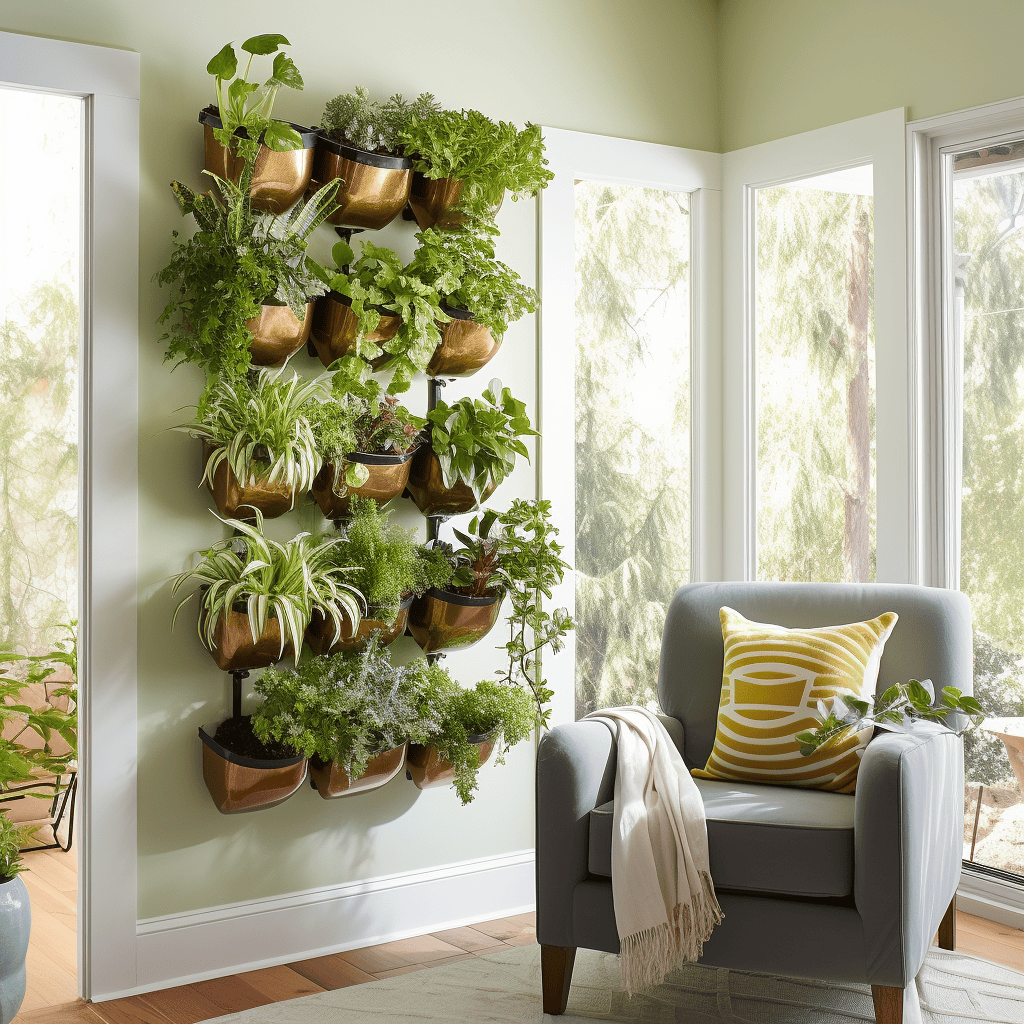
Let’s be honest — small spaces can be tricky. You want it to feel cozy but not cramped, stylish but not overdone. If you’ve ever stood in the middle of a tiny room wondering where to even start, you’re not alone! The good news is that modern interior design offers plenty of smart, creative solutions to turn even the smallest corners into stunning, functional spaces. In this article, we’ll dive into simple yet effective tips, including clever decorating rules like the 3-5-7 rule and the 60/40 rule that designers swear by. Ready to transform your space? Let’s go!
What is the 3-5-7 Rule in Decorating?
Ever noticed how things tend to look better in odd numbers? That’s where the 3-5-7 rule comes in. It’s a popular design principle that suggests grouping decorative items in sets of 3, 5, or 7. Why? Odd numbers naturally create a sense of balance and visual interest, making arrangements feel more organic and less staged.
Example: Imagine a coffee table with three items — a small plant, a candle, and a book. It feels casual and inviting. Now, picture it overloaded with eight or ten random objects. Too much, right? The 3-5-7 rule helps you find that sweet spot between minimalism and personality.
Quick Tip: Try applying this rule on shelves, coffee tables, or wall art arrangements. It keeps things balanced and visually appealing, especially in small spaces where every detail matters.
How to Transform a Small Space
Designing small spaces is all about making smart, intentional choices. Here are a few tips that can instantly make a difference:
1. Use Light, Neutral Colors
Light shades like whites, soft greys, and beiges make a room feel larger and brighter. Dark colors, while cozy, can sometimes make small rooms feel boxed in.
2. Incorporate Mirrors
Mirrors create the illusion of more space by reflecting light and views. A large mirror on one wall can almost double the sense of openness in a tiny room.
3. Maximize Vertical Space
When floor space is limited, think up. Use tall bookshelves, hanging plants, or vertical storage solutions to draw the eye upward and free up floor space.
4. Choose Multi-Functional Furniture
Look for pieces that serve more than one purpose — like a sofa bed, storage ottoman, or a foldable dining table. These are lifesavers in small living spaces.
5. Keep It Clutter-Free
Less is more in small spaces. Stick to essentials and carefully chosen decor items. A clutter-free room always feels bigger and more inviting.
Anecdote: One of our clients in Dhaka transformed a tiny studio apartment using just a mirror wall, light-colored curtains, and a foldable dining table. The result? A bright, airy space that feels twice its actual size.
What is the 60/40 Rule in Interior Design?
The 60/40 rule is a simple yet powerful guideline for balancing colors and elements in a room. It suggests that:
- 60% of the room should be your dominant color (walls, large furniture pieces, rugs)
- 40% of the room should be complementary colors (accent chairs, curtains, cushions, decor items)
Why it works: This ratio creates a harmonious balance without making the space feel too uniform or too chaotic.
Example: In a small living room, you might use a soft grey for 60% of the space (walls and sofa) and introduce 40% in complementary tones like mustard yellow cushions, a wooden coffee table, and green indoor plants. It keeps things cohesive yet interesting.
Conclusion
Small spaces can be beautiful, functional, and full of personality — all it takes is a little creativity and a few smart design rules. Remember the 3-5-7 rule to arrange your decor with style, embrace the 60/40 rule to balance your colors, and follow simple tricks like mirrors, light colors, and multi-functional furniture to open up your room.
Ready to transform your small space? At Indigo Interior Design, we specialize in creating interiors that feel bigger, brighter, and beautifully tailored to your lifestyle. Let’s make your dream space a reality — get in touch with us today!